remote control excavator work
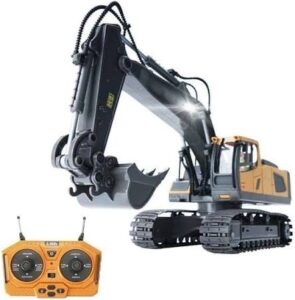
A remote control excavator is transforming the way heavy construction equipment is operated by combining powerful excavation capabilities with advanced wireless technology. Instead of requiring an operator to sit inside the machine’s cabin, this type of excavator allows the user to control every movement from a safe distance using a handheld controller or remote operating system. This approach has become increasingly popular in construction, mining, demolition, and disaster recovery because it enhances safety while maintaining the same level of performance as traditional excavation equipment.
The way a remote control excavator works begins with a sophisticated wireless communication system that connects the operator’s controller to the machine. Every command entered through the controller is transmitted to an onboard receiver installed inside the excavator. This receiver processes the signals and sends instructions to the machine’s electronic control unit, which activates the hydraulic and mechanical systems responsible for operating the boom, arm, bucket, tracks, and other functions. The response is almost instantaneous, allowing the operator to perform tasks with remarkable precision and control.
Modern remote control excavator systems rely on secure radio frequencies or encrypted wireless communication protocols to ensure reliable operation. These communication technologies are designed to minimize interference from nearby equipment or environmental conditions. Many systems also include automatic signal monitoring, which continuously checks the connection between the operator and the machine. If the communication signal is interrupted or lost, built-in safety features automatically stop the excavator to prevent unintended movement or accidents.
Hydraulic systems remain the driving force behind every remote control excavator. Although the machine is operated remotely, its hydraulic pumps, cylinders, and motors function in much the same way as those found in conventional excavators. When the operator moves a joystick or presses a control button, electronic signals activate hydraulic valves that direct pressurized fluid to different components. This hydraulic pressure powers digging, lifting, swinging, grading, and material handling operations with exceptional strength and accuracy.
A remote control excavator often includes multiple cameras positioned around the machine to provide operators with a clear view of the surrounding worksite. High-definition video feeds are transmitted in real time to a display integrated into the remote controller or an external monitoring screen. These camera systems eliminate blind spots and help operators work efficiently, even when standing hundreds of feet away from the equipment. Some advanced machines also feature night vision cameras and thermal imaging capabilities for operations in low-light or hazardous environments.
Sensors play an equally important role in the operation of a remote control excavator. Various sensors monitor hydraulic pressure, engine performance, fuel levels, machine orientation, temperature, and operating conditions. This information is displayed to the operator in real time, allowing quick adjustments whenever necessary. Some systems even provide alerts if the machine approaches unsafe operating limits or detects nearby obstacles, helping prevent equipment damage and improving overall workplace safety.
How does a remote control excavator work?
The remote control excavator also incorporates electronic control units that coordinate communication between different mechanical and hydraulic components. These onboard computers interpret operator commands while ensuring smooth, accurate movement throughout the machine. Advanced software manages the speed and responsiveness of each hydraulic function, making it easier to perform delicate excavation tasks that require precise positioning of the bucket or boom. The result is improved productivity and greater confidence for operators working in complex environments.
Power for a remote control excavator typically comes from either diesel engines or electric drive systems, depending on the model and intended application. Diesel-powered machines remain common for large-scale construction and mining projects due to their high power output and long operating hours. Electric versions are becoming more popular because they produce lower emissions, generate less noise, and require reduced maintenance. Regardless of the power source, the remote operating technology functions similarly by electronically controlling the machine’s mechanical systems.
One of the primary reasons companies invest in a remote control excavator is its ability to improve worker safety. Dangerous environments such as unstable slopes, landslide zones, contaminated industrial sites, collapsed structures, and flooded areas present significant risks for traditional machine operators. Remote operation allows workers to remain outside these hazardous zones while maintaining full control over excavation activities. This capability reduces the likelihood of injuries and supports compliance with increasingly strict workplace safety regulations.
Many remote control excavator models also support advanced technologies such as GPS positioning, automated grading, and machine guidance systems. These features help operators complete excavation work with greater precision while reducing material waste and improving project accuracy. Some manufacturers are beginning to integrate artificial intelligence that assists with repetitive tasks, predicts maintenance needs, and optimizes machine performance based on operating conditions. These innovations continue to expand the capabilities of remotely operated construction equipment.
Proper operator training is essential for achieving the best performance from a remote control excavator. Although experienced excavator operators usually adapt quickly to remote systems, they must learn how to interpret camera views, respond to safety alerts, maintain wireless communication, and operate emergency stop functions. Training programs provided by equipment manufacturers ensure operators understand both the technical and safety aspects of remote operation, helping maximize efficiency while minimizing operational risks.
As construction technology continues to evolve, the remote control excavator is expected to become an increasingly common solution across numerous industries. Ongoing advancements in wireless communication, automation, artificial intelligence, sensor technology, and machine control systems are making remote operation more reliable and efficient than ever before. Whether used for excavation, demolition, mining, infrastructure development, or emergency response, the remote control excavator demonstrates how modern engineering can improve safety, precision, and productivity while meeting the growing demands of today’s construction and industrial sectors.